
A Day in the Life at Kensington Wade: What Makes Our Classrooms Different
26th June 26
It is 8.45am, and Year 3 are already mid-lesson. On the board, a maths problem appears in Chinese. A pupil at the front reads it aloud, pauses, then explains their thinking, first in Mandarin and then in English. Their classmates listen carefully. Several nod. One puts up a hand to offer a different approach.
This, in miniature, is what sets a Kensington Wade education apart from any other primary school in London. The immersive model is not a programme layered onto a conventional curriculum. It is the curriculum itself. Mandarin and English are not subjects taught in turn. They are co-equal languages of thought, expression and learning, woven through every subject, every day.
Morning: The Two-Language Rhythm
A typical morning moves fluidly between English and Mandarin. A science lesson might introduce vocabulary in Mandarin first, then revisit the same material in English later in the week. A child who can explain photosynthesis in both languages does not merely know two words for the same thing. They have processed the concept twice, through different cognitive systems, and their understanding is correspondingly deeper.
This is the mechanism behind what we call conceptual transfer: the capacity to detach an idea from the language in which it was first learned and reconstruct it in another. It is one of the most powerful cognitive skills our model develops, and it shows up in the quality of reasoning our pupils produce well before senior school.
The Feel of Our Classrooms
Our classrooms are designed for active learning. Mandarin and English appear side by side on working walls. Children check their own understanding as they go, asking themselves whether they can explain something in both languages, and being quietly pleased when they can.
The atmosphere is warm and demanding in equal measure. Standards are high, but the environment is genuinely supportive. Pupils look out for one another across year groups, and the school community is close-knit in the way that smaller schools can be.
Cultural Learning Throughout the Day
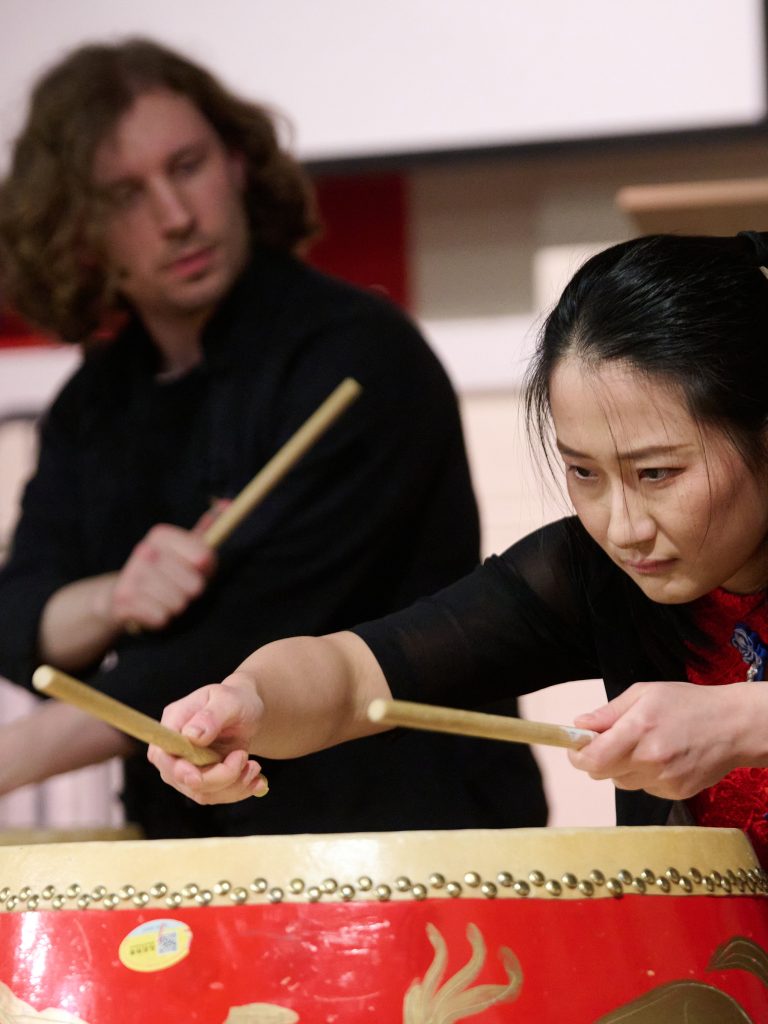
Kensington Wade does not treat Chinese culture as a topic to be covered in designated lessons. Cultural understanding runs through the school day in the same way that language does: constantly, naturally and with real depth. History might examine the same period from both British and Chinese perspectives. Geography explores Chinese landscapes and cities not as exotic curiosities but as places with their own histories and ways of organising life.
Our cultural calendar includes Chinese New Year, Dragon Boat Festival, Mid-Autumn Festival and more, giving that learning a vivid, communal dimension throughout the year. You can read more about the range of experiences that make up school life at Kensington Wade on our website.
Afternoon: Enrichment and Independence
Afternoons often bring the co-curricular programme to life: music, sport, drama, arts and more. These sessions are not separate from the academic mission of the school. The skills built through ensemble music, competitive sport or performance arts, including resilience, collaboration and the ability to respond to feedback, are directly transferable to academic learning, and our teachers know it.
The end of the day is quieter but no less purposeful. Children leave with homework that asks them to continue the thinking they have started: to practise calligraphy, prepare a short presentation or read ahead in Mandarin. Parents often tell us that their children talk about school at dinner, about what they learned, what surprised them, what they want to know more about. That curiosity is something we work hard to cultivate and protect.
Come and See for Yourself
The best way to understand what makes Kensington Wade different is to spend time here. We warmly invite prospective families to attend one of our open events or arrange a personal tour. You can book a place on our Visit the School page.